

Before & after
Here's what the fix looks like
Every one of these is a real job we did somewhere around Summerville or Charleston.
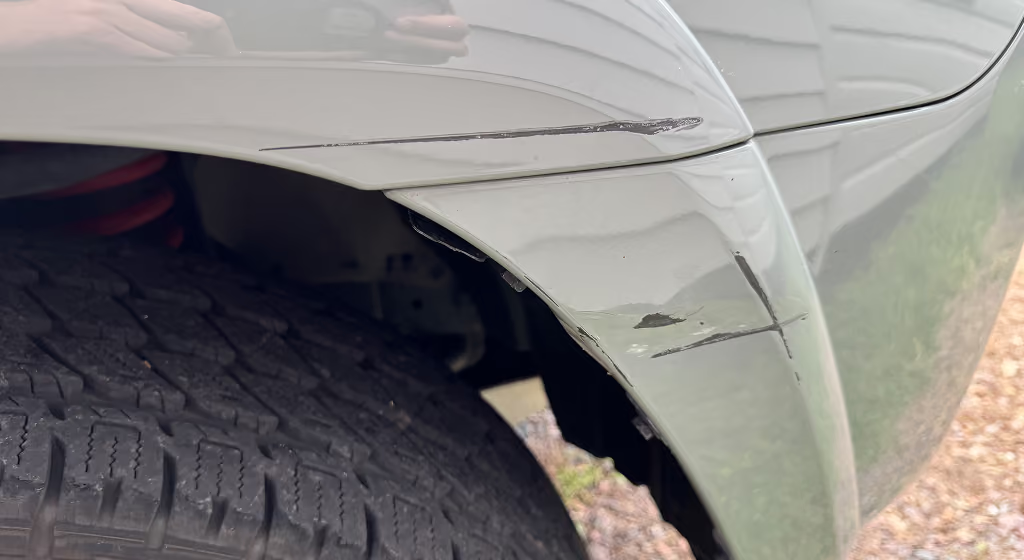
Before
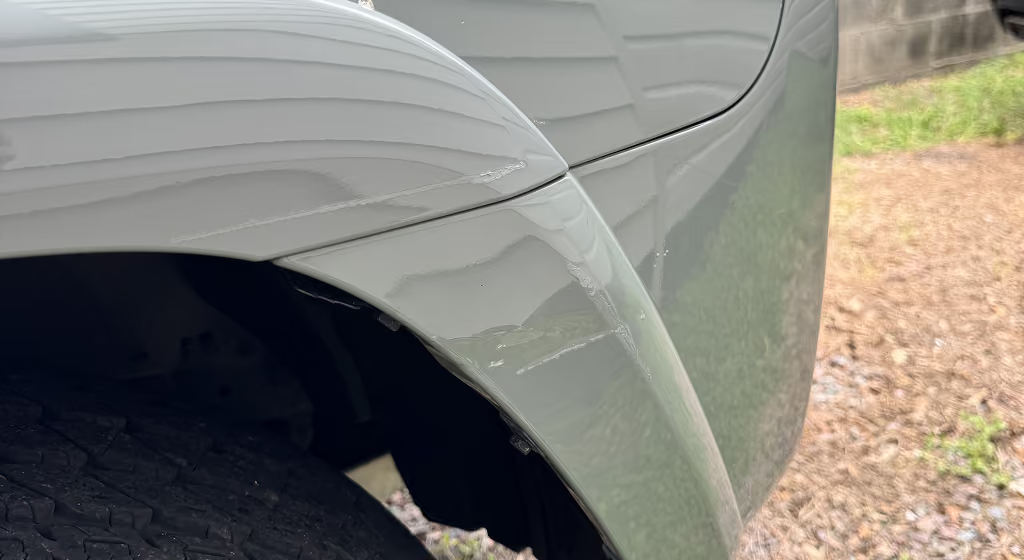
After
Deep scratches

2 hours

250$
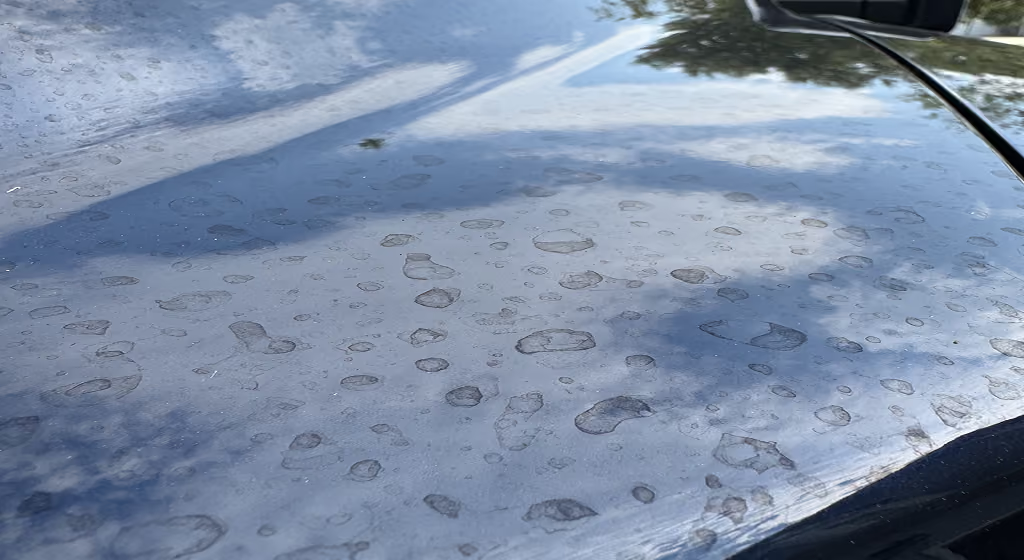
Before
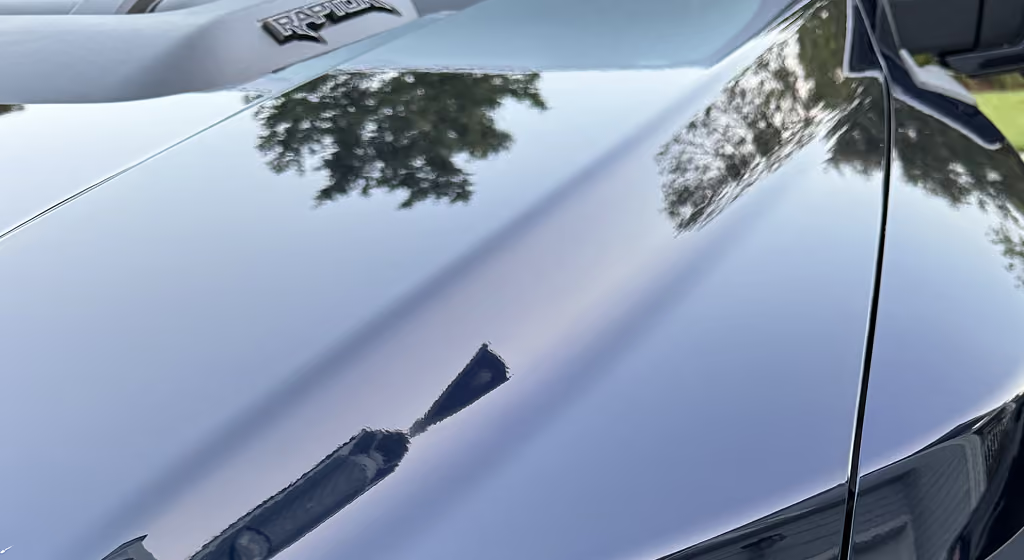
After
Water spots
2,5 hours
300$
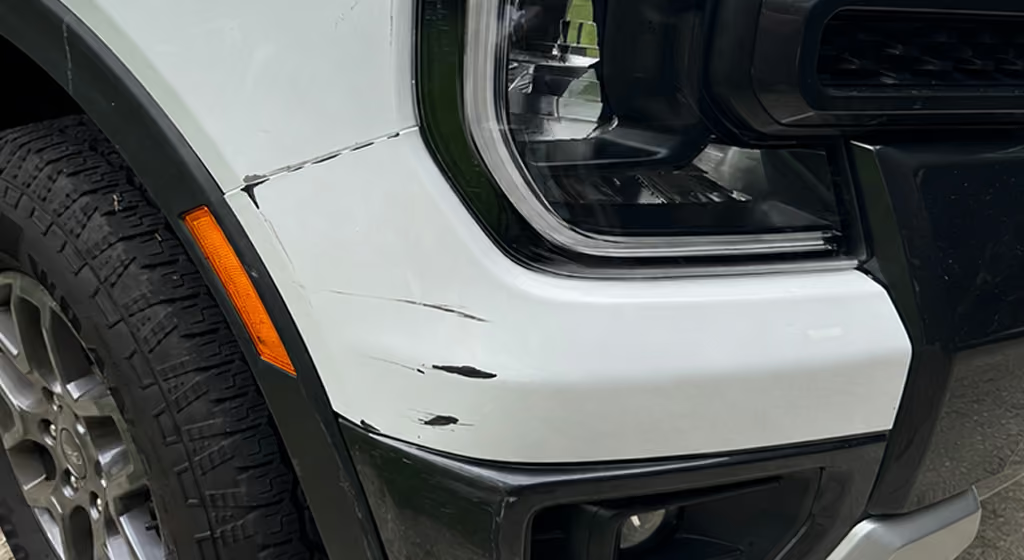
Before
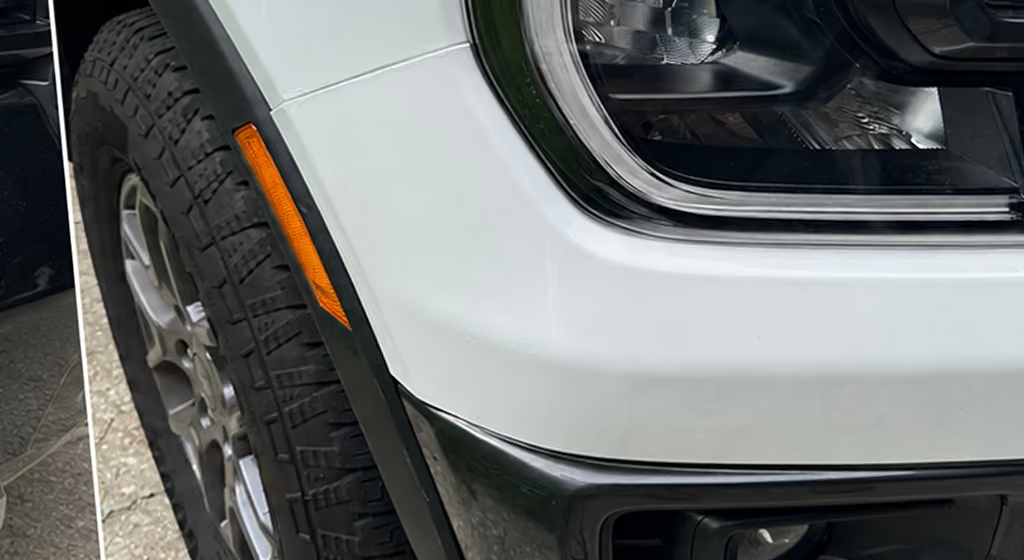
After
Light scratches
1,5 hours
150$
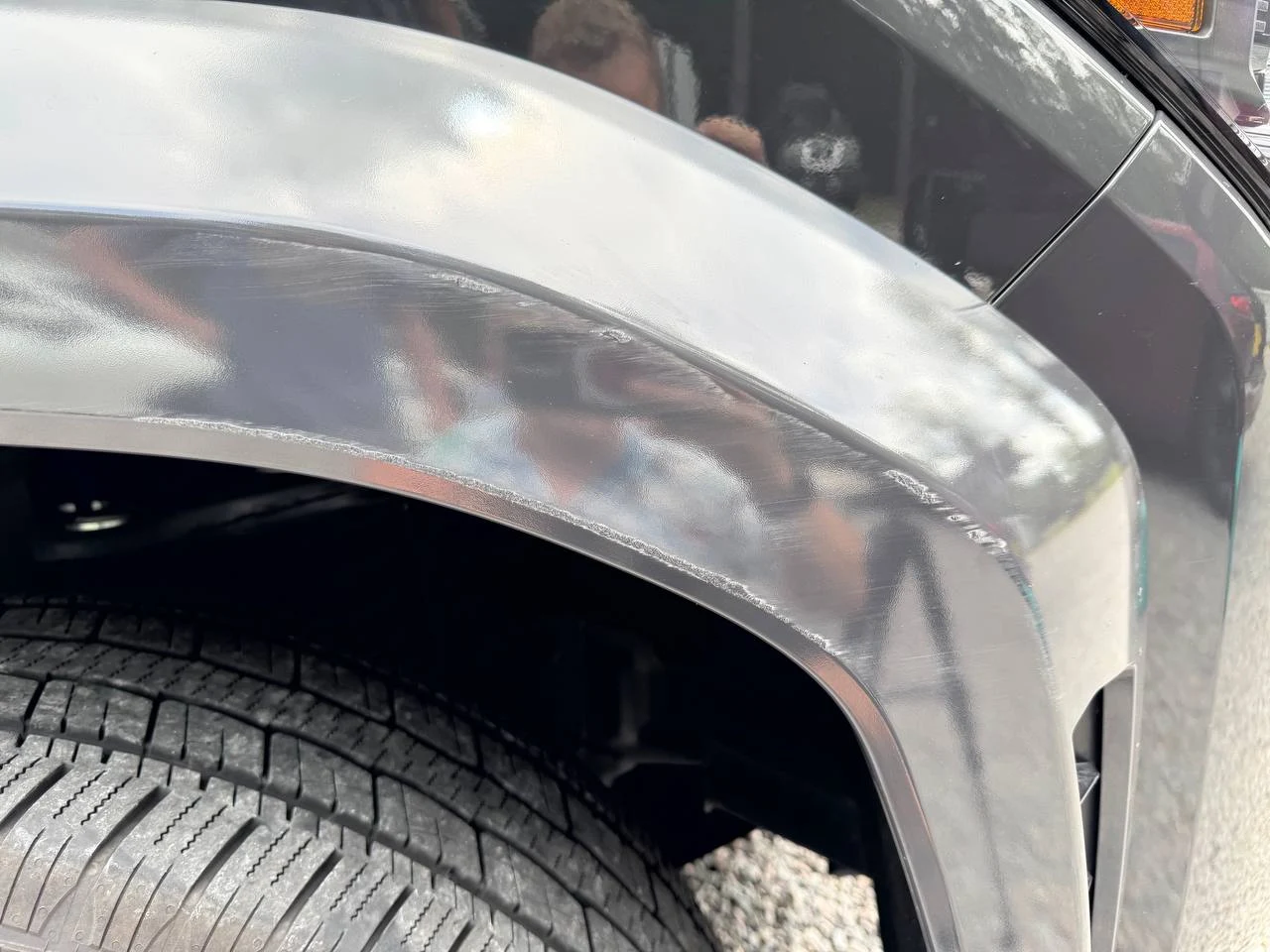
Before
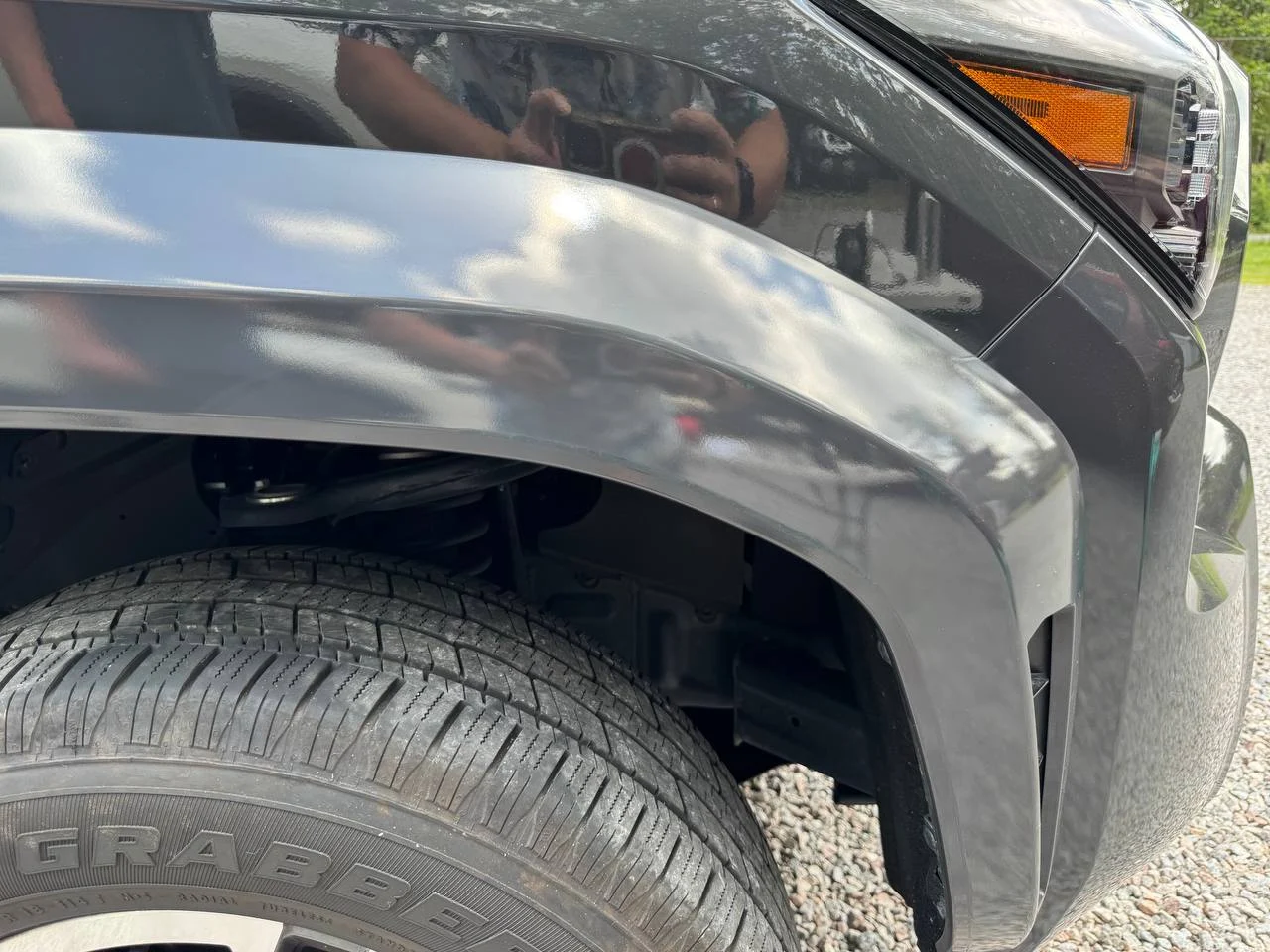
After
Paint transfer
2 hours
270$
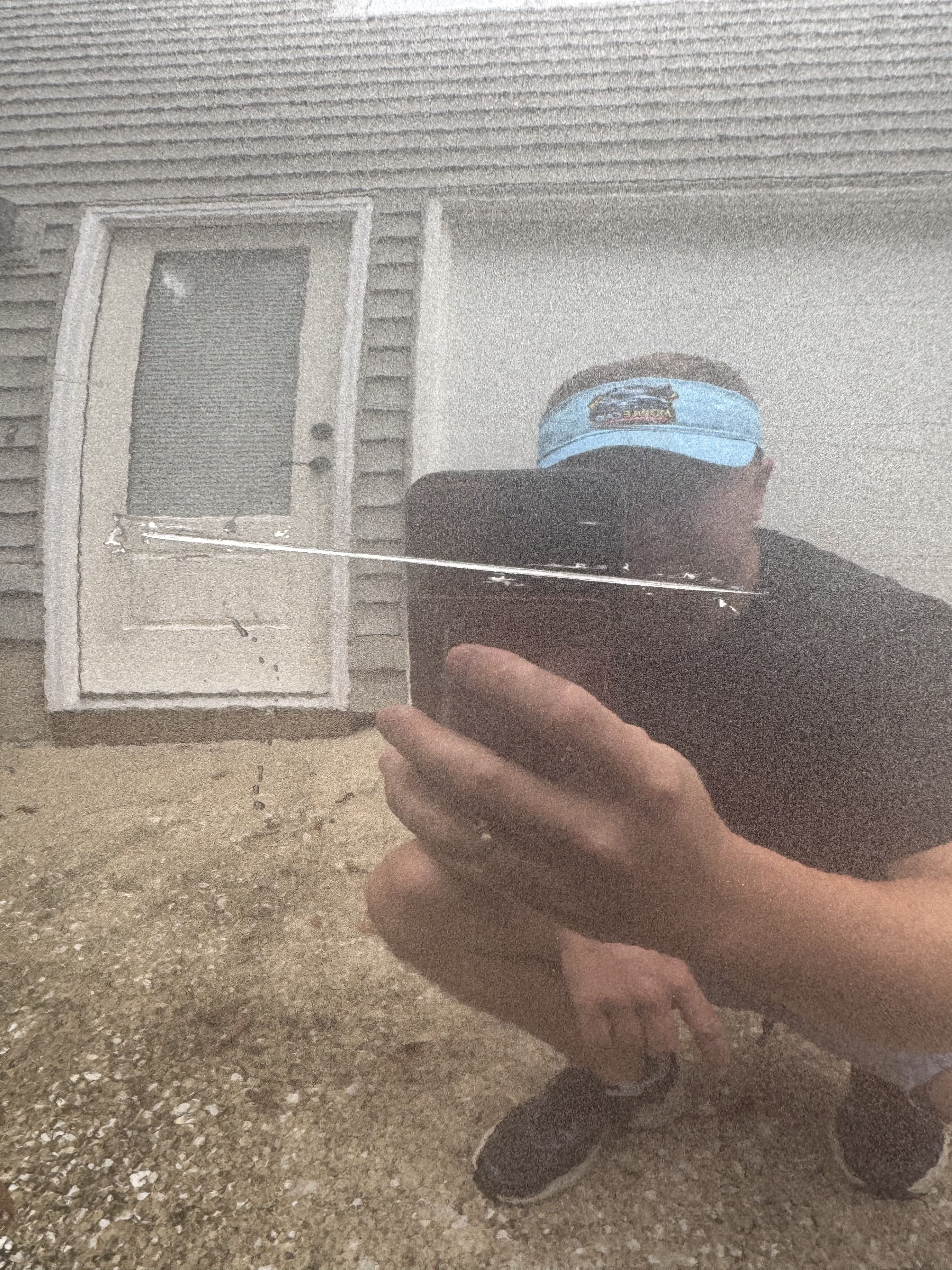
Before
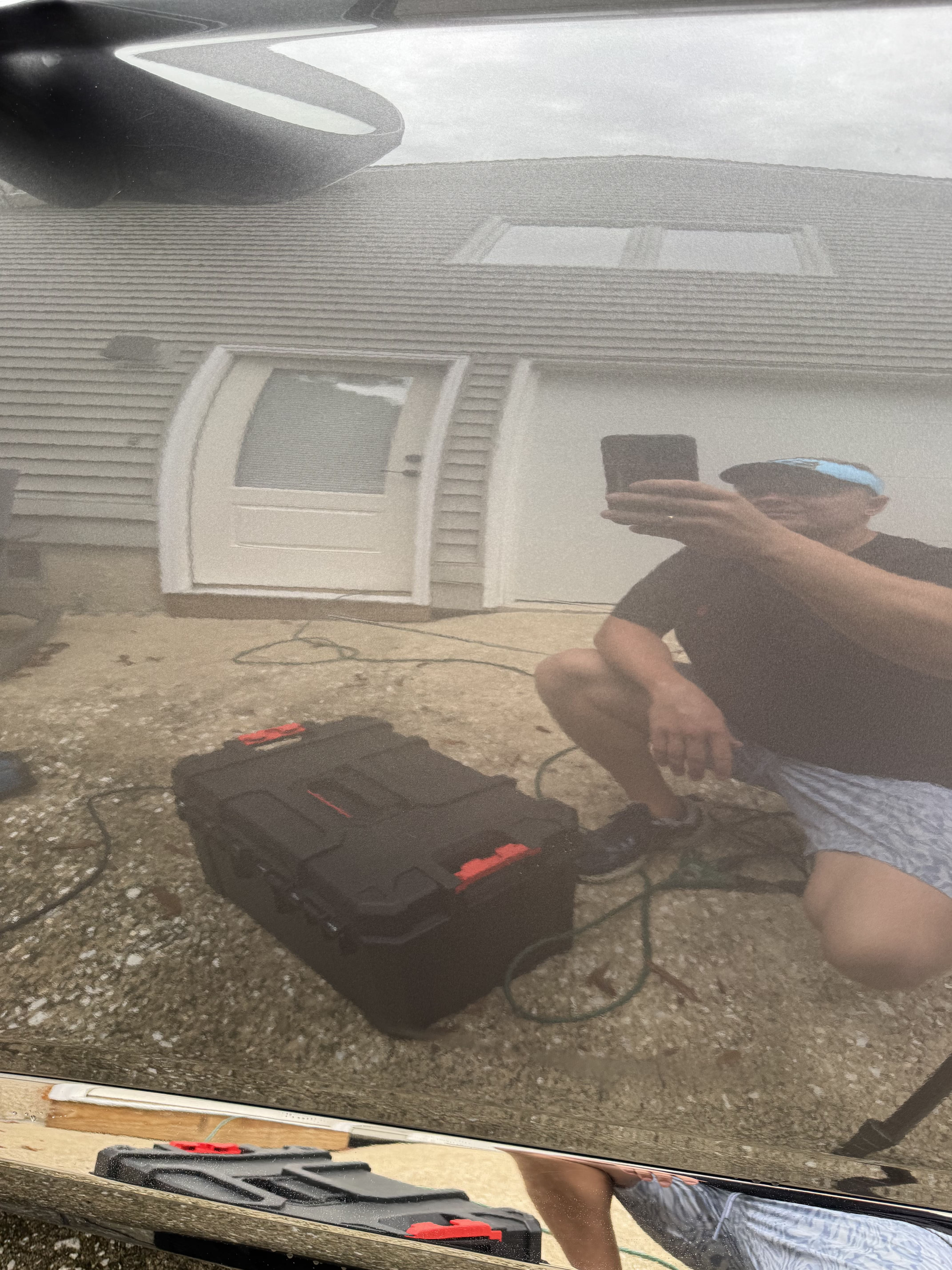
After
Deep scratch
1 hour
140$
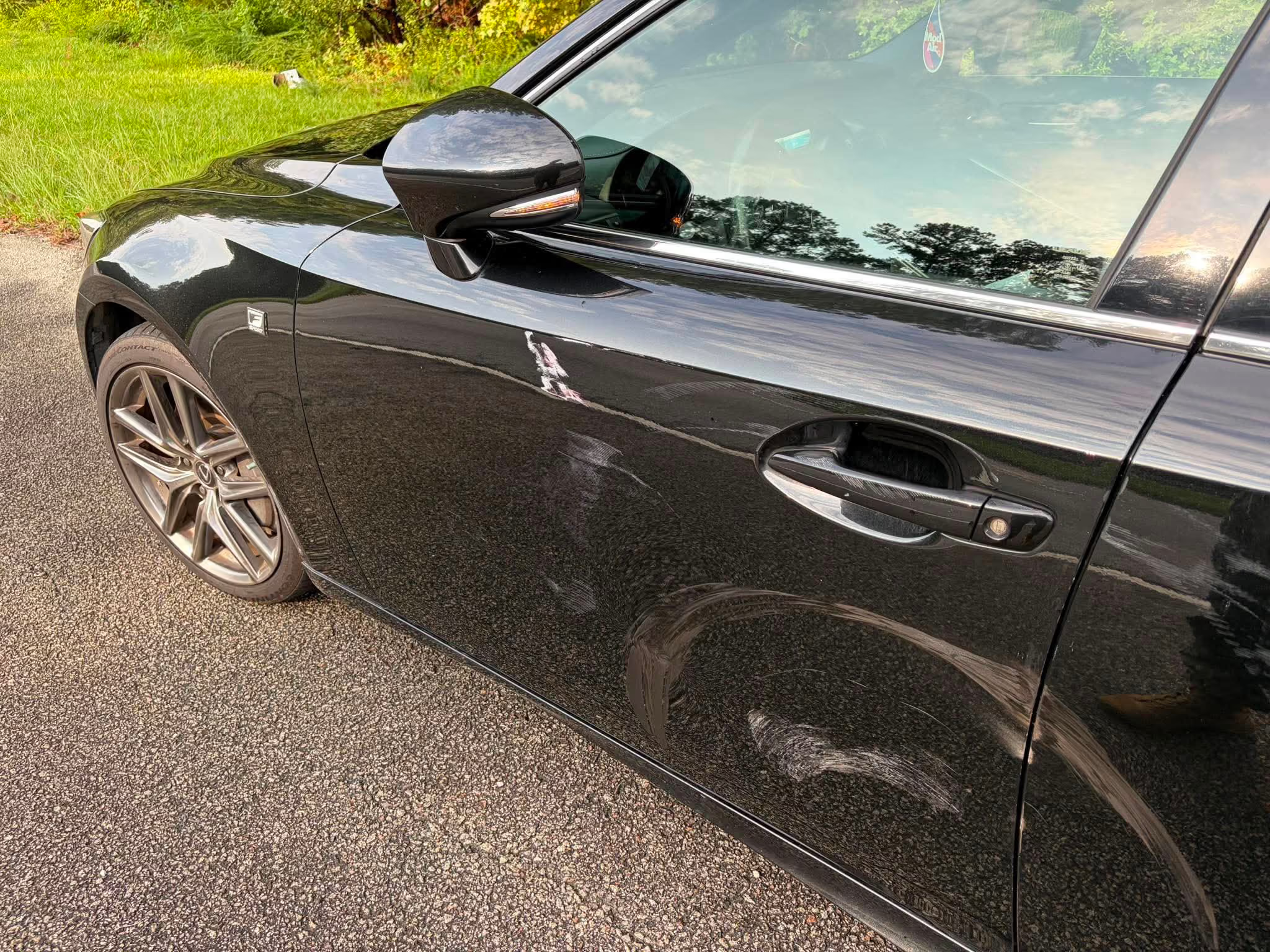
Before
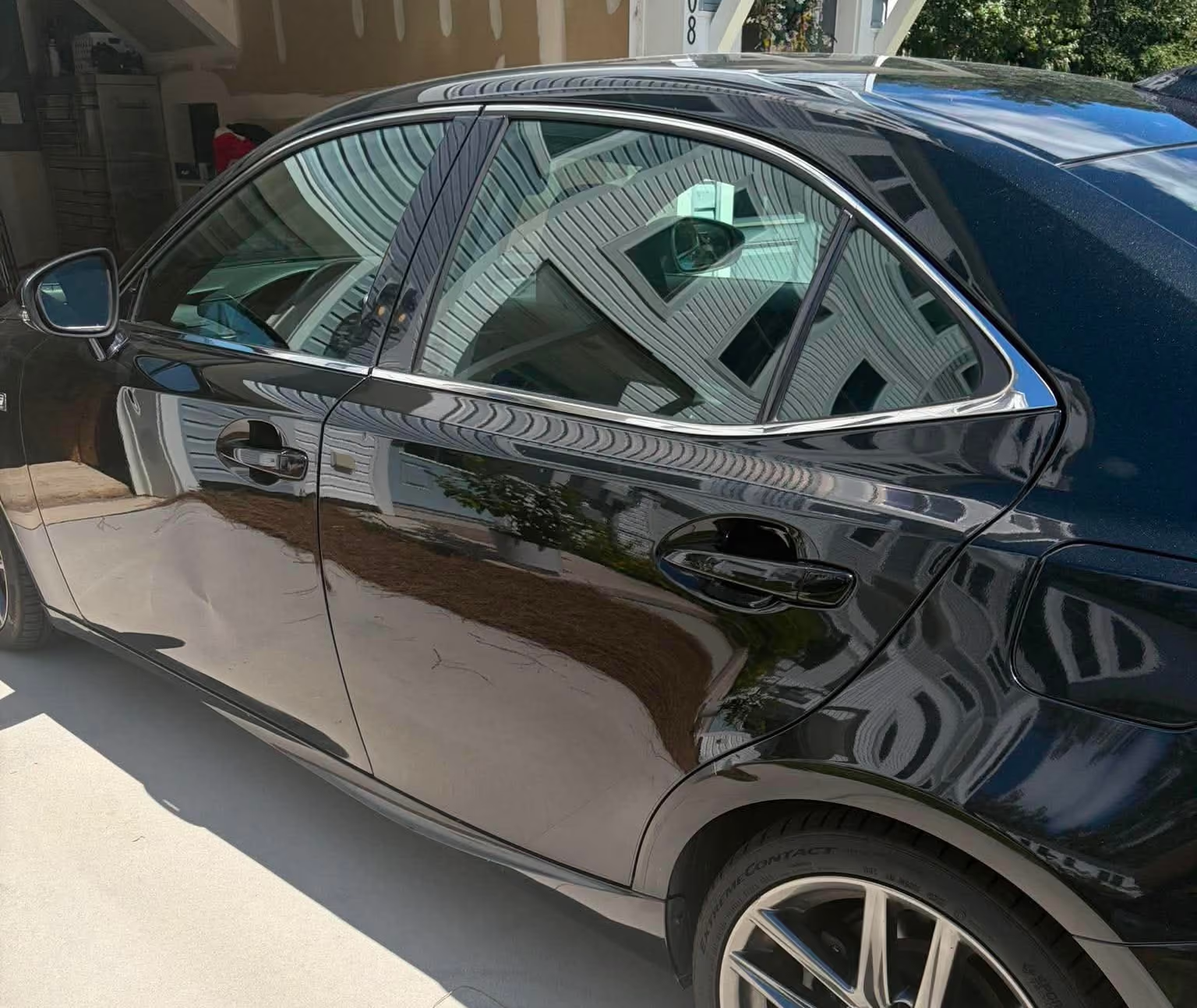
After
Light scratches
1,5 hours
150$
Bad prior repair
What you need to know
A clear picture of what you're dealing with makes the next step a lot easier.
Don't let it sit
Fill out the form with a few quick details and a couple of photos and we'll send back a real price, usually the same day.
Signs of a bad prior repair
- The color doesn't quite match. Even a close color match can look off in certain light, especially direct sun.
- You can see or feel a ridge. A properly blended repair should be flush with the surrounding paint, not raised or sunken.
- The clear coat looks cloudy or textured. This usually means the clear coat wasn't applied or polished correctly.
- It's discolored compared to the panel around it. Paint can yellow, fade, or shift color faster than the original factory finish, especially with lower quality materials.
Why it's worth fixing
- It affects resale and trade-in value. A visible bad repair is one of the first things an inspector or buyer notices.
- It usually gets more noticeable, not less. Mismatched paint tends to stand out more as the surrounding paint ages differently.
- It can often be corrected without a full repaint. In many cases we can rework the existing repair rather than redoing the whole panel.
Simple process
How we fix it
Once you know what you're dealing with, here's what happens next.
Assessing the previous repair
We check the color match, texture, and how the repair was blended into the surrounding paint.
Correcting the color and texture
Depending on the issue, this may mean re-blending the edges, re-polishing the clear coat, or reworking the paint layer.
Matching to your current paint
Paint is matched to how your car's paint looks today, not just the original factory code.
Blending and finishing
The repair is leveled and polished so the edges disappear into the surrounding panel.
One honest note
Not every bad repair can be fully corrected without repainting the panel, especially if the wrong paint type was used originally. We'll always assess it honestly and tell you what result to expect before you book.
FAQ
Questions we get a lot
Chances are, someone's already asked what's on your mind. Here's what we tell them.
Why doesn't my repaired paint match anymore?
Can you fix a repair someone else did?
Will this need a full repaint?
What causes a repair to go wrong in the first place?
How can I tell if a repair is a proper match?